
Crosslinked PE Foam (Eva/Capcell) Products
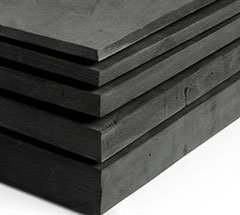
Sheets / Rolls
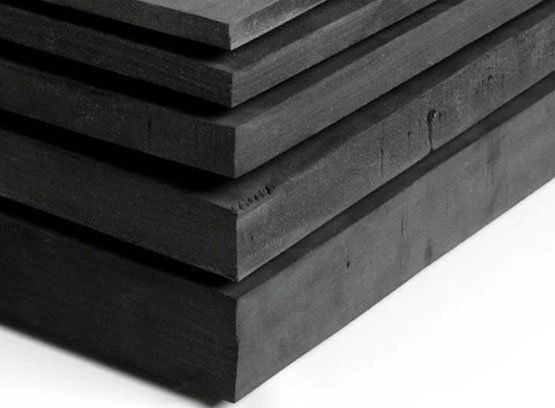
Crosslinked PE foam (EVA/Capcell) is a type of closed-cell foam with a fine, uniform cell structure that is chemically crosslinked to create a durable, resilient material. It is commonly used for cushioning, shock absorption, and insulation in a wide range of applications, from automotive and sports equipment to packaging and construction.
Crosslinked PE foam sheets and rolls are available in various thicknesses and densities to meet specific requirements for strength, stiffness, and impact resistance. They can be easily cut or shaped to fit any shape or size, and can be laminated with other materials to enhance their performance.
Some of the key benefits of crosslinked PE foam sheets and rolls include:
-
Lightweight: Crosslinked PE foam is significantly lighter than many other materials with comparable properties, making it an ideal choice for applications where weight is a concern.
-
Durable: The crosslinked structure of the foam gives it excellent resistance to abrasion, tearing, and other types of damage, making it a reliable choice for long-term use.
-
Resilient: Crosslinked PE foam has a high level of resilience, meaning it can absorb shock and impact without losing its shape or cushioning properties.
-
Chemical resistance: The closed-cell structure of crosslinked PE foam makes it resistant to moisture, chemicals, and other environmental factors, making it an ideal choice for outdoor applications or where exposure to chemicals is a concern.
-
Versatile: Crosslinked PE foam can be easily cut, shaped, and formed to fit a wide range of applications, making it a versatile choice for many different industries.
2
Adhesive
Adhesive
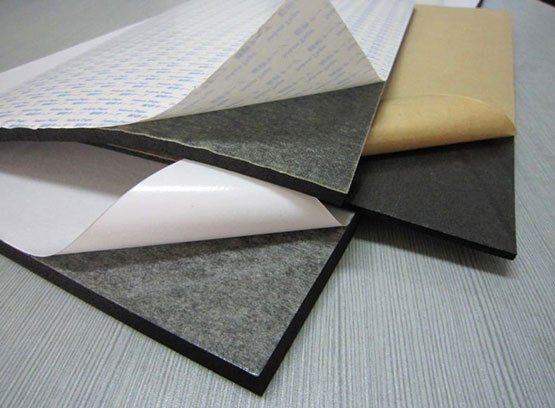
Crosslinked PE foam (EVA/Capcell) adhesive refers to a type of glue that is designed to bond crosslinked PE foam, which is a closed-cell foam that is lightweight, flexible, and durable. Crosslinked PE foam is commonly used in applications such as packaging, sports equipment, automotive components, and medical devices.
The adhesive used for crosslinked PE foam is typically a solvent-based adhesive or a hot-melt adhesive. Solvent-based adhesives are applied in a liquid form and then allowed to dry, forming a strong bond between the foam and the substrate. Hot-melt adhesives are applied in a molten state and then solidify as they cool, providing a strong bond between the foam and the substrate.
The choice of adhesive will depend on the specific application and the properties required of the final product. Some factors to consider include the strength of the bond, the flexibility of the foam, and the temperature and humidity conditions in which the product will be used.
3
Fitment
Fitment
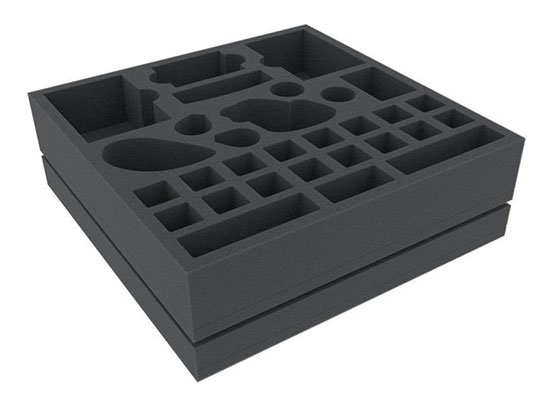
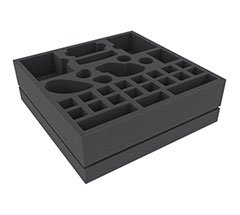
Crosslinked PE Foam (EVA/Capcell) fitments are custom-designed foam inserts used to secure and protect products during shipping and transportation. They are typically used in combination with a larger container or packaging material, such as a box or crate, to provide added cushioning and protection for fragile or sensitive items.
Crosslinked PE Foam (EVA/Capcell) fitments can be designed to fit the specific size and shape of the product they are intended to protect. They can be fabricated with various densities, thicknesses, and surface finishes to accommodate different product types and handling requirements.
The fitments are typically manufactured by cutting and shaping Crosslinked PE Foam (EVA/Capcell) sheets or rolls into the desired shape using a die-cutting or CNC cutting process. Adhesive can also be applied to the foam surface to secure the fitment in place inside the container or packaging.