Crates Products
Industrial
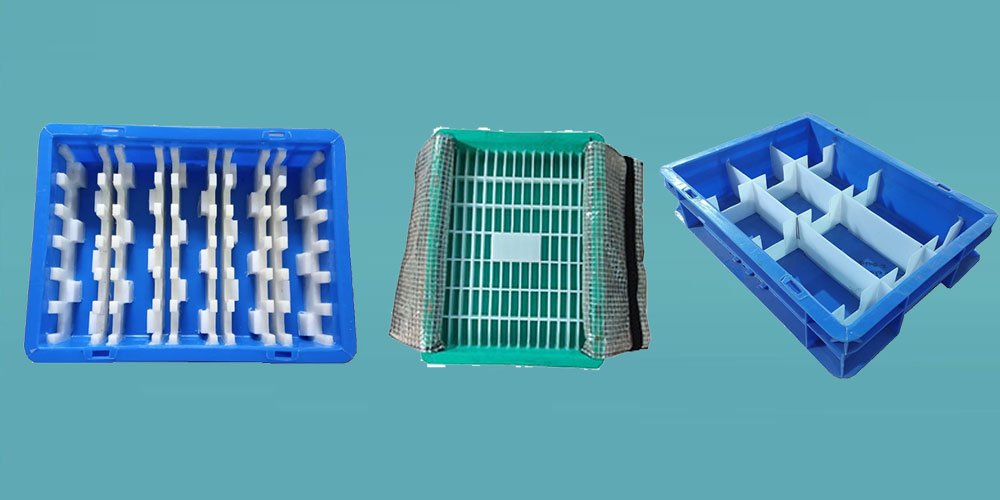
Industrial crates are rugged and durable containers designed for the storage and transport of heavy-duty industrial goods. They are typically made from materials such as high-density polyethylene (HDPE), polypropylene (PP), or metal and are engineered to be long-lasting and resistant to wear and tear.
Industrial crates come in a variety of sizes and shapes to accommodate different goods and storage needs. They can be stackable, nestable, or collapsible, depending on the requirements of the user. Some industrial crates also feature reinforced corners or walls to better protect their contents during transportation and handling.
Industrial crates are commonly used in industries such as automotive, manufacturing, and logistics. They are ideal for the storage and transport of large, heavy items, such as machinery parts, electronic equipment, and chemicals. They can also be used for in-house storage and inventory control.
One of the main benefits of industrial crates is their durability. They are designed to withstand harsh environments and heavy use, which makes them an ideal choice for industrial applications. Industrial crates are also reusable, which reduces waste and the need for disposable packaging.
Overall, industrial crates are a versatile and cost-effective solution for the storage and transport of heavy-duty industrial goods. They offer a combination of durability, flexibility, and reusability that makes them a popular choice in many industries.
Agriculture
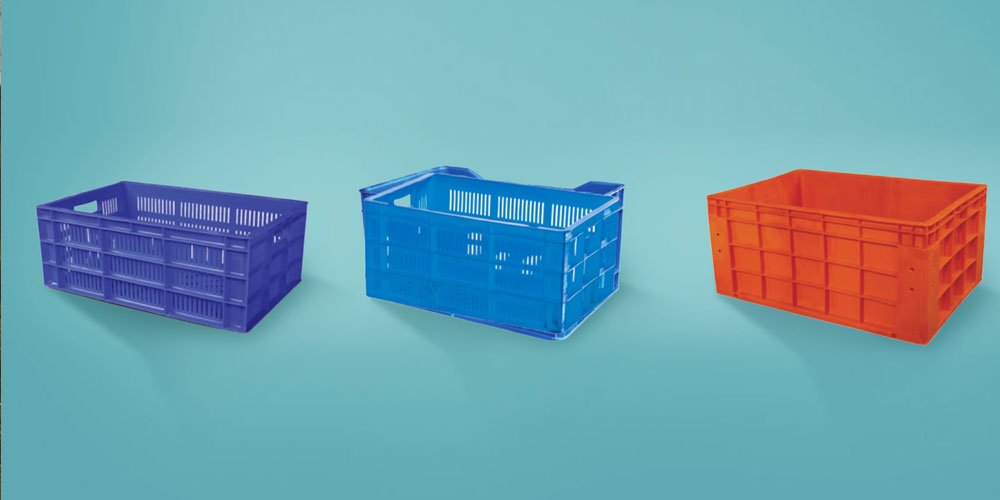
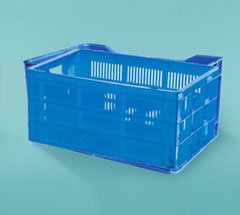
Agriculture crates are designed specifically for use in the agricultural industry, primarily for the storage, transportation, and handling of fresh produce. They are typically made from materials such as high-density polyethylene (HDPE) or polypropylene (PP), which are durable and resistant to damage from moisture, sunlight, and temperature changes.
Agriculture crates come in a range of sizes and shapes to accommodate different types of produce, such as fruits, vegetables, and flowers. They may have features such as ventilation holes or drainage channels to ensure that the produce is kept fresh and in good condition during transportation and storage.
Agriculture crates are commonly used by farmers, growers, and distributors to transport produce from farms to markets or distribution centers. They are ideal for use in the agricultural industry because they are rugged and able to withstand the rough handling and exposure to the elements that can occur during transportation.
One of the main benefits of agriculture crates is that they provide a secure and protective environment for produce during transport and storage. They help to prevent damage and ensure that the produce arrives at its destination in good condition. They are also reusable, which reduces waste and the need for disposable packaging.
In addition to their use in the agricultural industry, agriculture crates can also be used in other industries where the transportation and storage of goods require a durable, reusable container. Overall, agriculture crates are a versatile and practical solution for the safe and efficient handling of fresh produce.
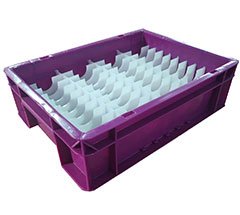
With & Without HDPE
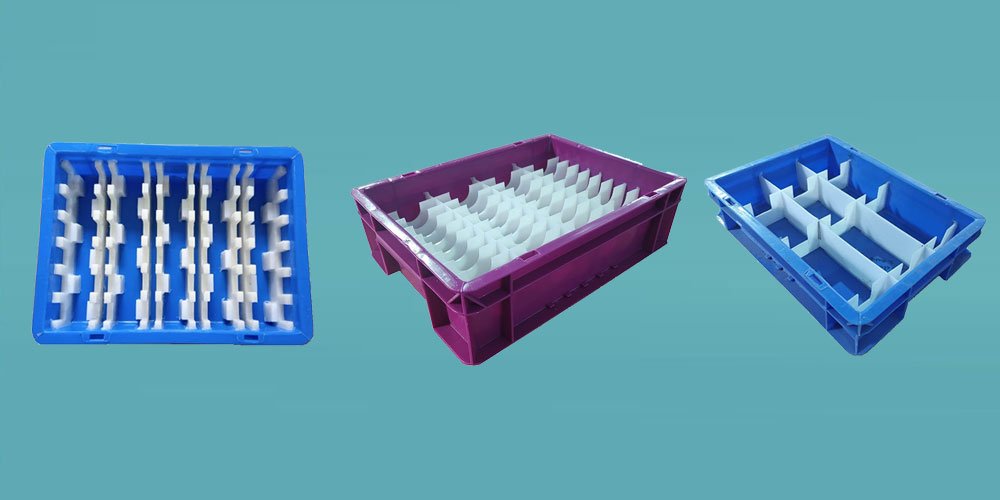
Crates are containers used for storing or transporting goods. They are typically made of plastic, wood, or metal and come in a variety of sizes and shapes. Crates can be used for a wide range of applications, including storage, shipping, and agriculture.
Crates can be classified into two types, with HDPE and without HDPE. HDPE stands for high-density polyethylene, a type of plastic commonly used in the manufacture of crates.
Crates with HDPE are made with an additional layer of high-density polyethylene, which provides extra protection and durability. These crates are more resistant to impacts and can withstand harsh environments, making them suitable for heavy-duty applications. They are commonly used in industries such as automotive, electronics, and pharmaceuticals.
Crates without HDPE are made with other types of plastics, such as polypropylene or polycarbonate. These crates are lightweight and offer good chemical resistance, making them suitable for a wide range of applications in the food, agriculture, and retail industries. They are commonly used for storing and transporting fresh produce, meat, and dairy products.