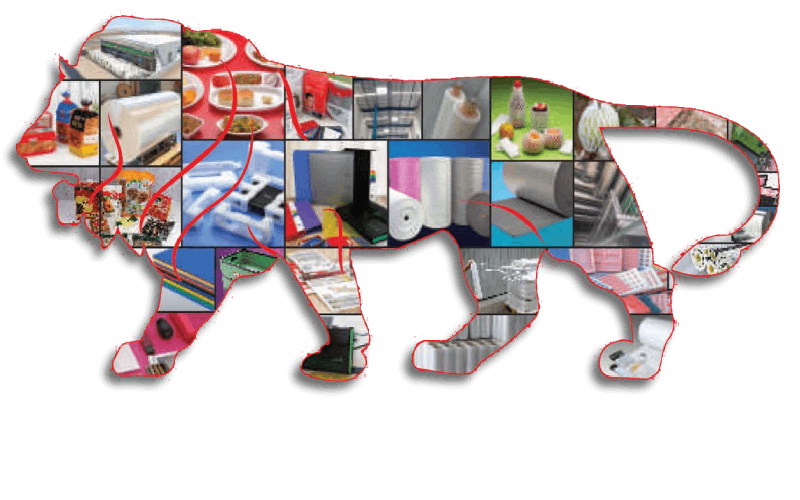
EPE FOAM Applications
Foam Roll
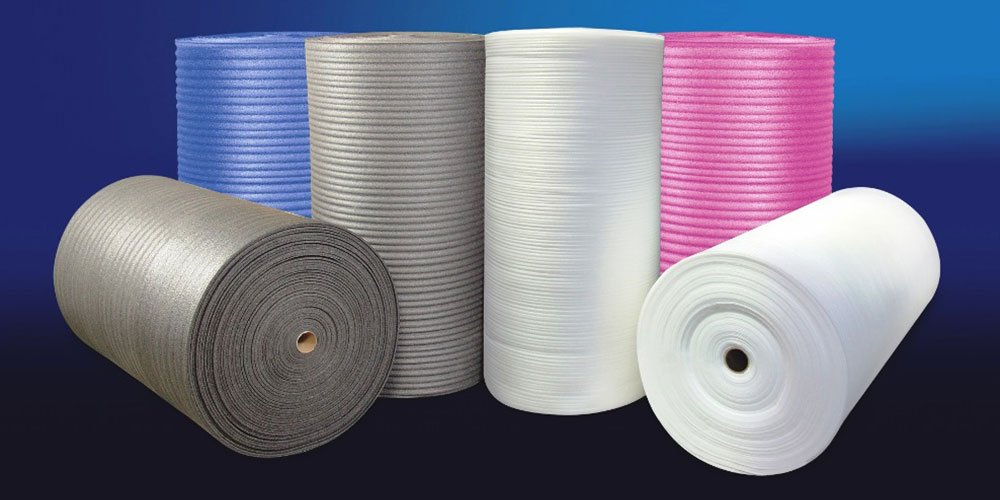
EPE foam roll is a type of packaging material made from expanded polyethylene foam. It is commonly used in packaging applications to protect fragile or sensitive items during transportation and storage.
EPE foam is a lightweight, flexible, and durable material that provides cushioning and shock absorption to help prevent damage to the contents of a package. It is also resistant to moisture, chemicals, and UV radiation, which makes it suitable for a wide range of applications.
EPE foam rolls come in various thicknesses and sizes, and can be easily cut and shaped to fit the specific requirements of a particular product or packaging application. They can also be customized with additional features such as adhesive backing, anti-static properties, or flame retardancy.
Overall, EPE foam roll is a popular and cost-effective packaging material that provides excellent protection for a variety of products during transit and storage.
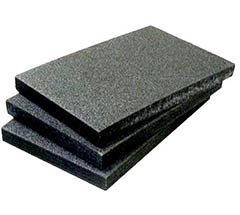
Foam Sheet
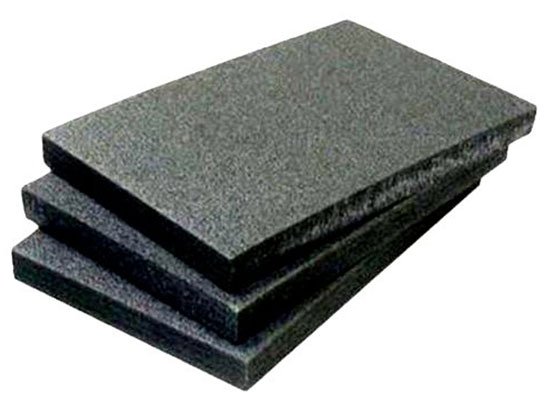
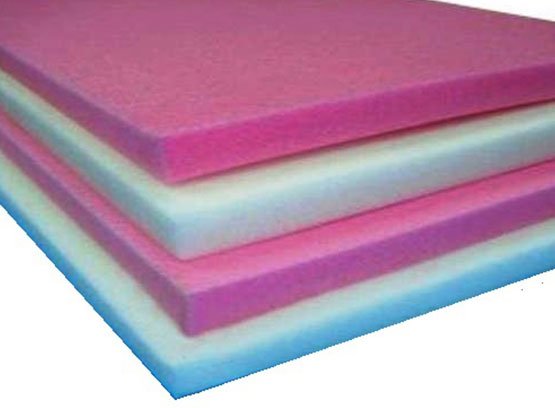
EPE foam, or Expanded Polyethylene foam, is a lightweight and flexible material that is commonly used for packaging and cushioning applications. EPE foam sheets are typically made by extruding polyethylene through a process that involves heating the material until it expands and then cooling it down rapidly.
EPE foam sheets have several advantages over other materials used for packaging and cushioning. They are lightweight, which makes them easy to handle and transport, and they have excellent shock absorption properties, which helps to protect fragile items during shipping or handling. They are also resistant to water, chemicals, and UV radiation, which makes them suitable for use in a variety of environments.
EPE foam sheets can be easily cut, shaped, and molded to fit a wide range of packaging and cushioning applications. They can be laminated with other materials, such as paper or aluminum foil, to provide additional barrier protection or insulation.
Overall, EPE foam sheets are a versatile and cost-effective material that is widely used in the packaging, cushioning, and insulation industries.
Foam Fitment
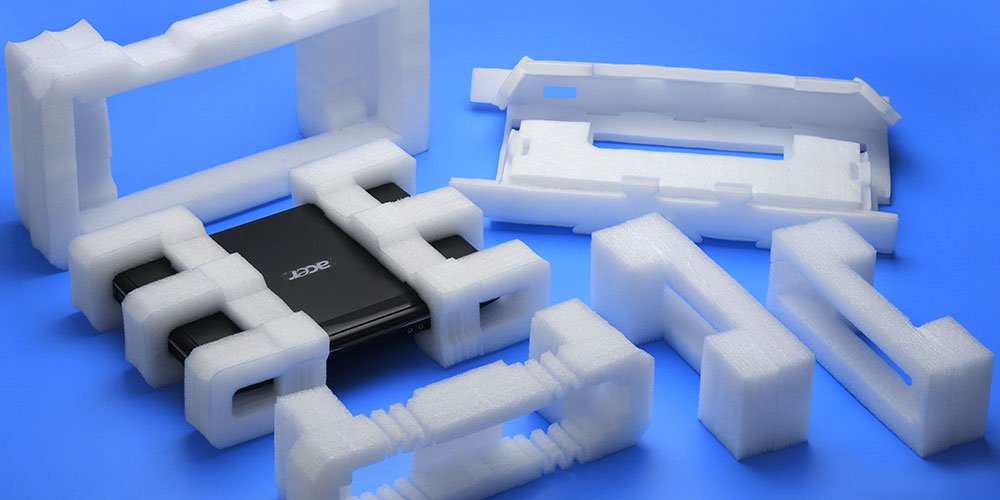
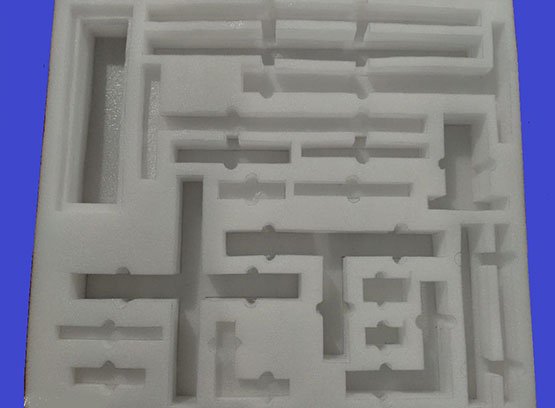
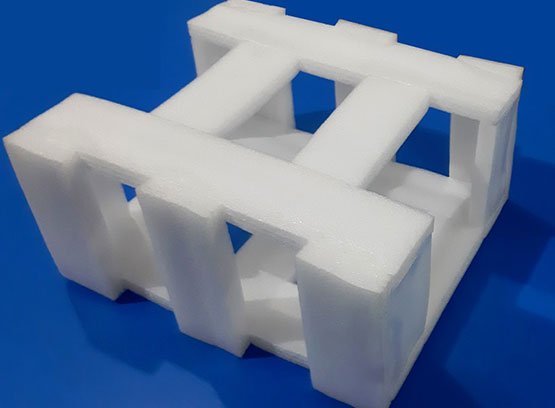
EPE foam fitment is a type of protective packaging made from Expanded Polyethylene foam that is used to securely hold and protect products during transit or storage. Fitments are custom-made to fit the specific shape and size of the product they are intended to protect.
EPE foam fitments are lightweight and flexible, which makes them easy to handle and install. They also have excellent shock absorption properties, which helps to protect the product from damage caused by impact, vibration, or compression. In addition, EPE foam fitments can be easily shaped and molded to fit the contours of the product, ensuring a snug and secure fit.
EPE foam fitments are commonly used in the electronics, automotive, medical, and industrial industries to protect a wide range of products, including fragile components, sensitive instruments, and heavy machinery. They are also used in the food and beverage industry to protect delicate items such as bottles, jars, and cans.
Overall, EPE foam fitments are an effective and affordable solution for protecting products during shipping, storage, and handling. They provide a high level of protection against damage and can be customized to meet the specific needs of different industries and products.
Foam Tube
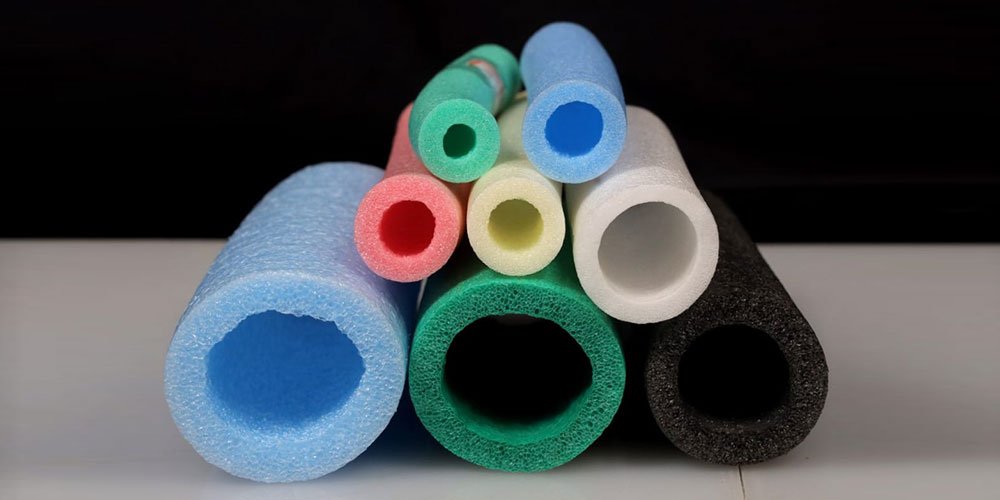
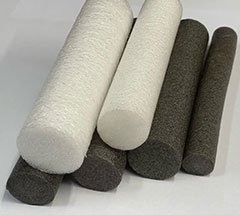
EPE foam tubes are a type of packaging material made from Expanded Polyethylene foam that is shaped into cylindrical tubes. These tubes are lightweight, flexible, and have excellent shock absorption properties, making them ideal for use in packaging and cushioning applications.
EPE foam tubes are commonly used in the automotive, construction, and electrical industries to protect and cushion pipes, cables, and other components during transport and installation. They can also be used as insulation to protect pipes and other equipment from temperature fluctuations.
One advantage of EPE foam tubes is that they can be easily cut to size, which makes them adaptable to different shapes and sizes of pipes and other components. They are also resistant to water, chemicals, and UV radiation, which makes them suitable for use in harsh environments.
EPE foam tubes can be purchased in a variety of sizes and thicknesses to meet the specific needs of different applications. They can also be laminated with other materials, such as aluminum foil or paper, to provide additional protection or insulation.
Overall, EPE foam tubes are a cost-effective and versatile packaging material that provides a high level of protection and insulation for pipes, cables, and other components.
5
Foam Rod
Foam Rod
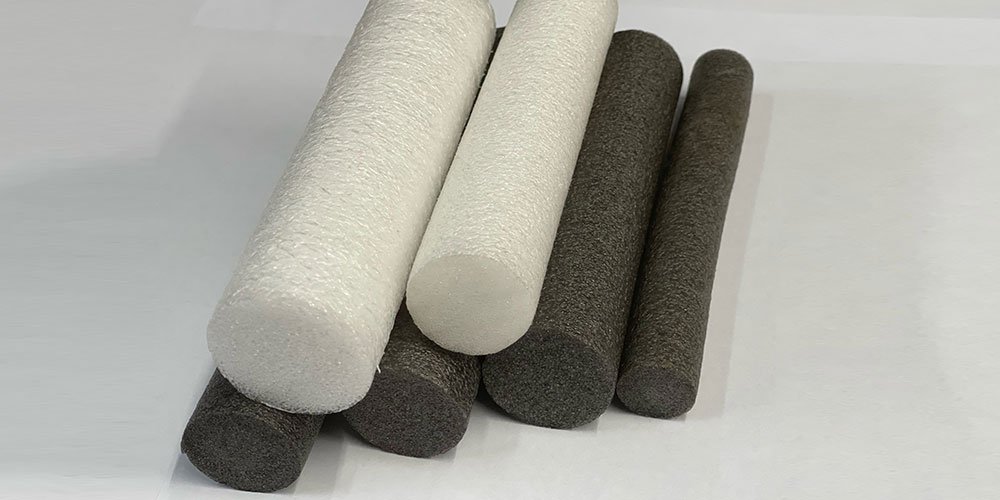
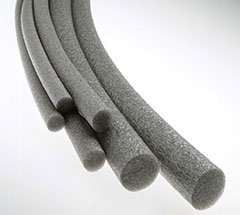
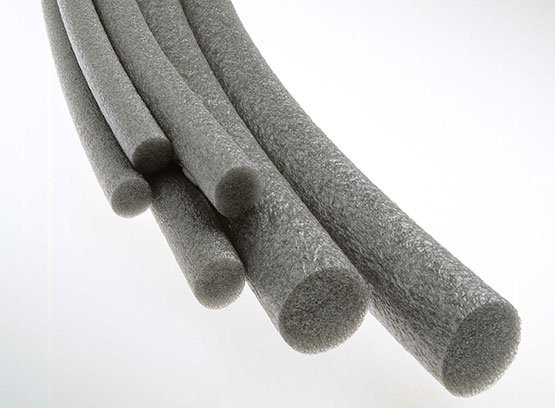
EPE foam rods are a type of packaging material made from Expanded Polyethylene foam that is shaped into cylindrical rods. These rods are lightweight, flexible, and have excellent shock absorption properties, making them ideal for use in packaging and cushioning applications.
EPE foam rods are commonly used in the furniture, sports, and toy industries to provide padding and protection to products during transport and storage. They can also be used as insulation to protect pipes and other equipment from temperature fluctuations.
One advantage of EPE foam rods is that they can be easily cut to size, which makes them adaptable to different shapes and sizes of products. They are also resistant to water, chemicals, and UV radiation, which makes them suitable for use in harsh environments.
EPE foam rods can be purchased in a variety of sizes and thicknesses to meet the specific needs of different applications. They can also be laminated with other materials, such as aluminum foil or paper, to provide additional protection or insulation. Overall, EPE foam rods are a cost-effective and versatile packaging material that provides a high level of protection and cushioning for a wide range of products.
Foam Profile
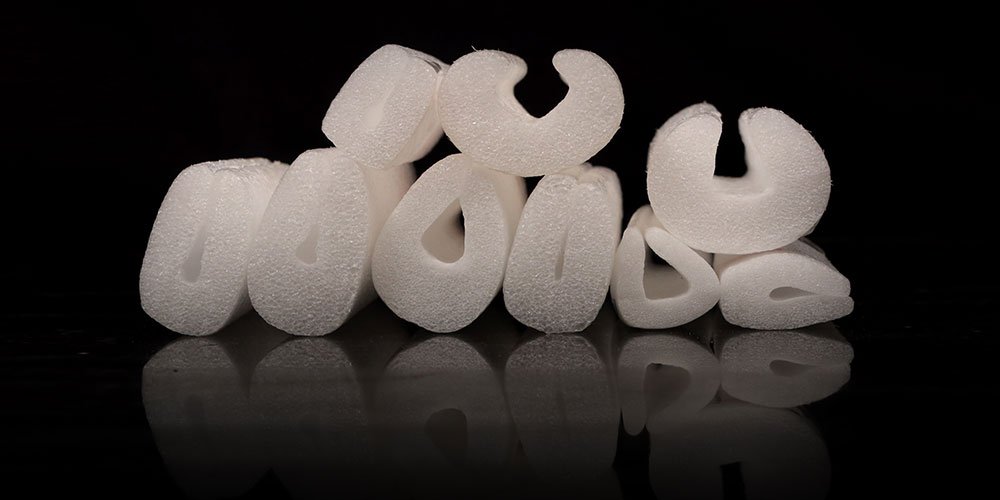
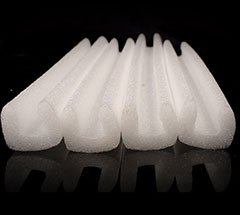
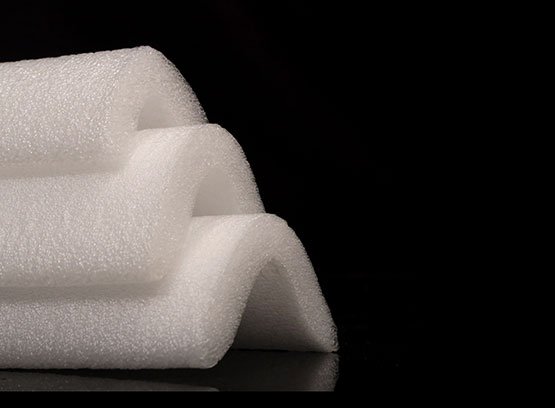
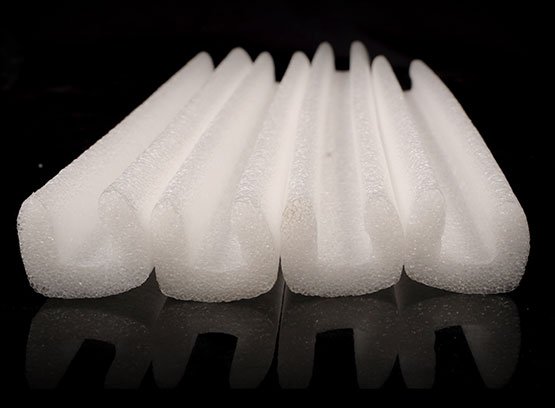
EPE foam profile is a type of packaging material made from Expanded Polyethylene foam that is shaped into various forms, such as L-shaped, U-shaped, or custom-designed profiles. These profiles are lightweight, flexible, and have excellent shock absorption properties, making them ideal for use in packaging and cushioning applications.
EPE foam profiles are commonly used in the furniture, automotive, and construction industries to protect and cushion products during transport and installation. They can also be used as insulation to protect pipes and other equipment from temperature fluctuations.
One advantage of EPE foam profiles is that they can be easily cut and shaped to fit the specific needs of different products. They are also resistant to water, chemicals, and UV radiation, which makes them suitable for use in harsh environments.
EPE foam profiles can be purchased in a variety of sizes and thicknesses to meet the specific needs of different applications. They can also be laminated with other materials, such as aluminum foil or paper, to provide additional protection or insulation.
Overall, EPE foam profiles are a cost-effective and versatile packaging material that provides a high level of protection and cushioning for a wide range of products. They can be customized to meet the specific needs of different industries and products, making them a popular choice for many packaging applications.
Foam Netting
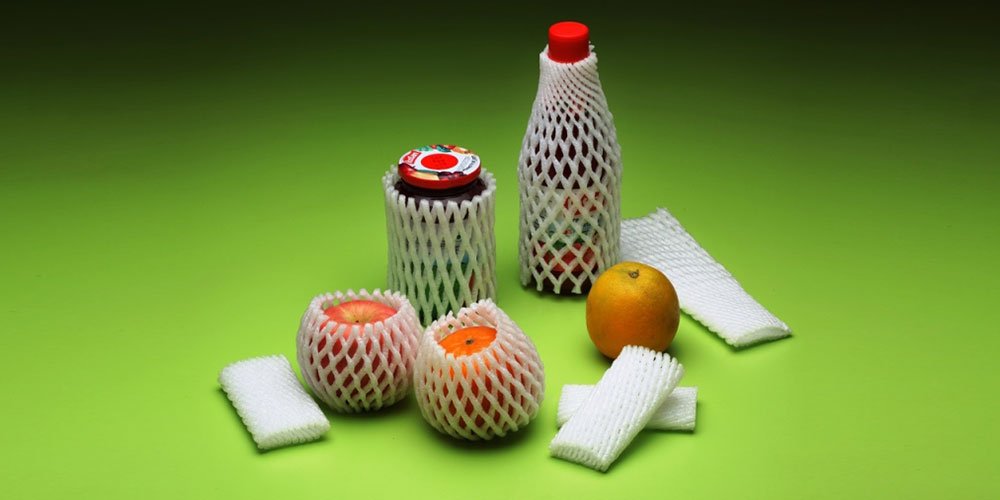
EPE foam netting is a type of protective packaging material made from Expanded Polyethylene foam that is extruded into a net-like structure. The foam netting is lightweight, flexible, and has excellent shock absorption properties, making it an ideal material for packaging delicate items during transport or storage.
EPE foam netting is commonly used in the food and beverage industry to protect fruits, vegetables, and other perishable products during shipping. It is also used in the electronics, medical, and automotive industries to protect fragile components and parts during transport.
One advantage of EPE foam netting is that it can be easily cut to size and shaped to fit the specific needs of different products. It is also resistant to water, chemicals, and UV radiation, which makes it suitable for use in a variety of environments.
EPE foam netting can be purchased in a variety of sizes and thicknesses to meet the specific needs of different applications. It can also be laminated with other materials, such as aluminum foil or paper, to provide additional protection or insulation.
Overall, EPE foam netting is a cost-effective and versatile packaging material that provides a high level of protection and cushioning for a wide range of products. Its net-like structure allows for air circulation, which helps to prevent damage caused by moisture buildup.
Expansion Joint
EPE foam expansion joint refers to a technique used in the manufacturing of EPE foam sheets where two or more EPE foam sheets are joined together to form a single, wider sheet. The expansion joint is created by feeding the EPE foam sheets through an extruder, which melts the edges of the foam and presses them together to create a strong, seamless joint.
Expansion jointing is a cost-effective way to create wider EPE foam sheets without the need for additional materials or adhesive. The jointed EPE foam sheets can then be used for a variety of applications, such as packaging, cushioning, and insulation.
One advantage of EPE foam expansion jointing is that it creates a strong, uniform joint that is resistant to tearing and delamination. It also creates a smooth surface that can be easily cut and shaped to fit the specific needs of different products.
EPE foam expansion jointing can be performed on EPE foam sheets of different sizes and thicknesses, allowing for customization to meet the specific needs of different applications. It is also a fast and efficient manufacturing technique that allows for high-volume production of EPE foam sheets.
Overall, EPE foam expansion jointing is a reliable and cost-effective technique for creating wide EPE foam sheets that can be used for a variety of packaging, cushioning, and insulation applications.
Insulation
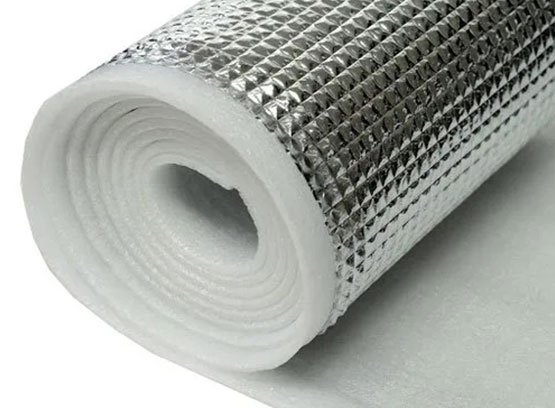
EPE foam insulation is a type of thermal insulation material made from Expanded Polyethylene (EPE) foam. It is used to insulate buildings, appliances, and equipment from temperature fluctuations, moisture, and sound.
EPE foam insulation has excellent thermal insulation properties, which means it can effectively prevent heat loss or gain, depending on the application. It is also a lightweight material that is easy to handle and install. Additionally, EPE foam insulation is resistant to water and moisture, making it a popular choice for insulation in areas that are prone to moisture buildup.
EPE foam insulation can be used in a variety of applications, including roofing, flooring, walls, and pipes. It is also commonly used in the automotive and aerospace industries to insulate vehicles and aircraft.
One advantage of EPE foam insulation is that it can be easily cut and shaped to fit the specific needs of different applications. It is also a durable and long-lasting material that provides effective insulation for many years.
Overall, EPE foam insulation is a cost-effective and versatile thermal insulation material that provides excellent thermal insulation properties, as well as sound and moisture insulation. It is widely used in various industries and applications due to its excellent properties and ease of use.